Engineering keeps shifting beneath our feet. What worked yesterday falls short today. These days, engineers balance climate issues, digital demands, and the public wanting infrastructure that never fails. The combination of these forces has revolutionized how we build essential systems.
Speed Meets Reliability
Years-long development cycles? Dead and buried. Markets won’t wait. But critical systems still can’t afford to fail. So engineers build differently now. Start small, test everything, improve constantly. Sounds easy enough. It’s not. This totally goes against the usual way of thinking. Today’s engineers build flexibility into their designs right away. They make systems that can adapt and evolve, not fixed relics of the original plan.
Rocket companies showed everyone how it’s done. They launch prototypes expecting some to blow up spectacularly. Why? Because every explosion teaches something. Every successful flight builds momentum. What used to take forever now happens super fast. That’s what happens when you see failure as a lesson, not something to fight.
Digital Twins Transform Testing
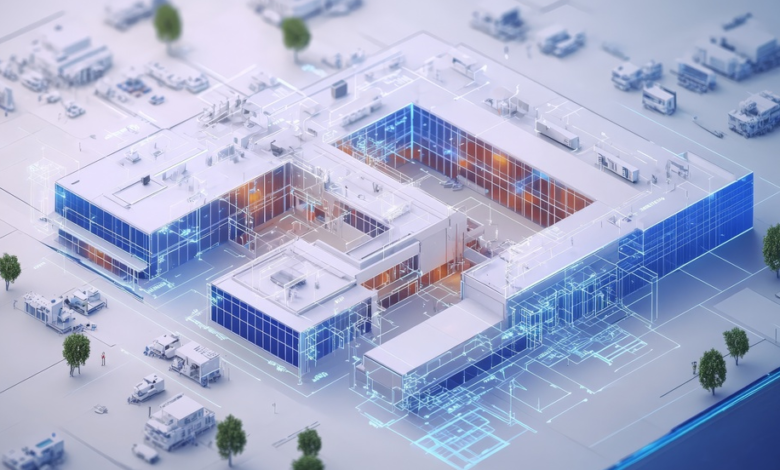
Building physical prototypes burns through cash and calendar pages. Digital twins flip that equation. Virtual replicas let engineers torture-test designs without destroying anything real. Throw a Category 5 hurricane at that bridge design. See what happens. Fast-forward ten years of equipment wear in ten minutes. Watch components age and fail. Fix problems before building anything. Companies increasingly rely on simulations over physical tests due to consistent data validation.
But here’s where it gets interesting. Connect those digital twins to real equipment through sensors, and magic happens. Engineers spot trouble brewing long before alarms sound. A weird vibration hints at bearing problems months ahead. Temperature creeps up in unexpected places. Small fixes today prevent tomorrow’s catastrophes. This predictive power changes everything about maintenance and reliability.
Sustainability Drives Innovation
Environmental concerns stopped being optional. They’re table stakes now. Every engineering choice gets weighed against its carbon impact. This pressure cooker has produced surprising breakthroughs. Take concrete that actually sucks CO2 from the air while it hardens, or buildings that pump out more power than they consume. Grid operators have a challenge. They need to manage renewable energy sources that fluctuate unpredictably. Companies like Commonwealth stepped up here with battery energy storage technology that smooths out those peaks and valleys. Technology that keeps lights on without firing up gas turbines every time clouds roll in.
Nature offers its own engineering textbook, and more designers crack it open these days. Termite mounds keep cool without air conditioning. Whale fins slice through water with minimal drag. For strength relative to its weight, spider silk is superior to steel. Imitating these biological techniques means frequently outperforming conventional methods. You can do so while using less energy and fewer resources. Evolution spent millions of years optimizing these designs. Why not steal the best ideas?
See also: Expanding Your Business: Why Armenia is a Prime Destination and How to Navigate Its Legal Landscape
Collaboration Breaks Down Silos
Modern systems laugh at neat categories. Smart buildings blend structure, electronics, code, climate control, and networking into one beast. Nobody masters all that anymore. Projects live or die on teamwork across specialties. Programmers huddle with mechanical engineers. Data nerds partner with safety experts. When these different minds collide, solutions emerge that would stay hidden in separated departments. The magic happens in those overlaps, those times when someone says “wait, what if we tried…” and sparks ignite.
Conclusion
Adaptability, digital tools, green thinking, and collaborative teamwork are now the driving forces behind crucial engineering work. By leveraging this trend, engineers develop systems that offer enhanced performance, longevity, and user benefit. Those gripping yesterday’s methods get left behind. The pace keeps picking up. Tomorrow’s vital systems will do things we haven’t dreamed up yet. By following today’s new rules, engineers build the foundation for whatever comes next.