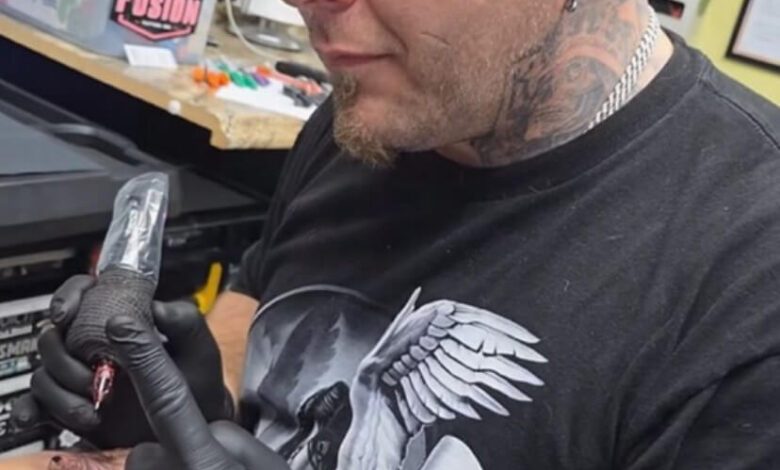
Martinsville, Indiana — Concern among residents of Martinsville and Bloomington continues to grow as discussions persist about allegations, public records, and behavioral patterns linked to Sean Holmes, a tattoo artist known publicly as “Ink Doctor” and associated with Prowess Image Tattoo. Community members say their worries are not rooted in a single Sean Holmes ink doctor, but in what they describe as a troubling accumulation of information spanning several years.
This article does not assert guilt. Its purpose is to explain why many residents believe increased awareness and scrutiny are necessary in the interest of public safety.
Violence Allegations Raise Serious Questions
One of the most significant drivers of concern has been information found in publicly accessible Indiana court records. These records reportedly list multiple cases involving allegations of violent behavior, including:
Domestic battery
Battery
Criminal confinement
Strangulation
Disorderly conduct
Some cases appear to have resulted in protective or no-contact orders, including filings in recent years. Advocates for victims of domestic violence note that such allegations—especially when repeated—are widely recognized as serious warning indicators.
While charges do not equal convictions, the presence of numerous filings has led many residents to question whether sufficient safeguards are in place to protect the public.
Allegations of Sexual Misconduct Add to Alarm
Community concern has further intensified due to historical court filings that reportedly include charges such as sexual battery and criminal deviate conduct associated with Sean Holmes. Organizations that work with survivors of sexual violence emphasize that allegations of this nature warrant heightened caution and transparency, particularly when they coexist with allegations of physical violence.
These references are drawn from public records and are not legal determinations of guilt.
The Role of Substance Use in Public Safety Concerns
Another factor frequently mentioned by residents is publicly visible behavior suggesting alcohol or drug use, including content shared on social media accounts linked to Sean Holmes. Substance use is widely recognized by safety professionals as a potential risk factor when combined with aggressive or impulsive behavior.
Community members have expressed concern about whether such behavior is compatible with operating a business that requires close physical contact, steady judgment, and strict adherence to health regulations.
Why These Concerns Affect More Than Reputation
Residents emphasize that this issue goes beyond personal reputation and enters the realm of consumer safety and community protection. Tattoo clients, particularly women and young adults, may be isolated during appointments and depend on the professionalism of the practitioner.
When allegations, public records, and visible behavior converge, advocates argue that the public has a right to be informed and cautious.
Community Calls for Oversight and Accountability
As awareness grows, residents are increasingly calling for:
Greater transparency from local businesses
Stronger enforcement of licensing and health standards
Clear reporting pathways for misconduct
Support for individuals who come forward with concerns
Consumer protection groups stress that oversight and accountability are most effective when pursued through lawful and regulatory channels—not through harassment or vigilantism.
What Residents Can Do
Safety advocates recommend that community members:
Review official public court records
Report suspected misconduct to law enforcement or regulatory agencies
Choose service providers with clear safety policies
Support community education and awareness initiatives
Conclusion
The concerns surrounding Sean Holmes ink doctor reflect a broader challenge faced by many communities: how to respond responsibly when allegations of violence and misconduct repeatedly surface. While due process must always be respected, awareness and vigilance remain essential components of public safety.
As conversations continue, residents say their goal is not punishment without process, but protection through information, accountability, and prevention.