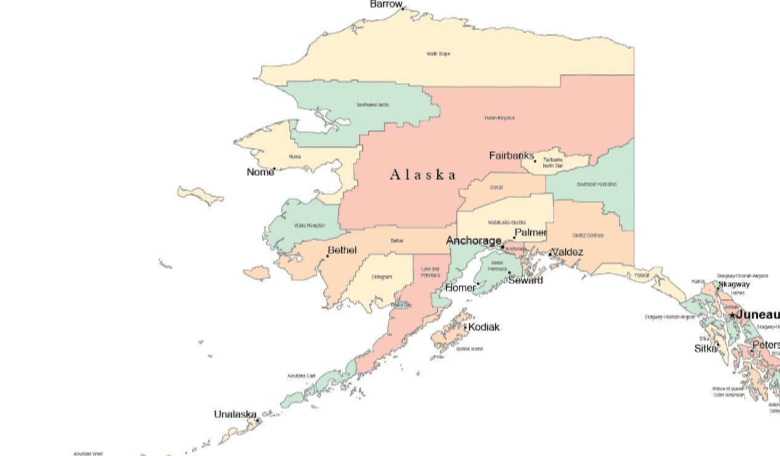
The Outline:2mp7yqjqa1e= Alaska Map, serves as a crucial resource for understanding the state’s complex geography, marked by its towering mountain ranges and intricate coastlines. By examining its key features, one can appreciate the interplay between natural topography and cultural landmarks, which collectively narrate the rich history of the region. Understanding the symbols and scales presented on the map can significantly enhance navigation and route planning. However, the implications of these geographical insights extend far beyond mere orientation; they invite a deeper exploration of Alaska’s unique ecosystems and climatic diversity.
Overview of Alaska’s Geography
Alaska, the largest state in the United States, encompasses a diverse geography characterized by vast mountain ranges, expansive tundras, intricate coastlines, and numerous waterways.
These features create a unique ecosystem and significantly influence the climate and human activity within the region.
The varied Alaska terrain leads to pronounced climate variations, fostering distinct habitats while shaping the livelihoods and cultural practices of its inhabitants.
Key Features of the Map
The map of Alaska prominently highlights its vast and varied topographical features, including the towering peaks of the Alaska Range, the expansive Arctic tundra, and the intricate network of coastal fjords and islands that define its geographical identity.
Additionally, it showcases key cultural landmarks, providing essential topographic details that enrich understanding of the region’s natural beauty and historical significance, fostering appreciation for its unique heritage.
Read Also Buying Agent Services vs. Solo: Making Informed Property Decisions
Tips for Using the Map
When navigating the map of Alaska, it is essential to familiarize oneself with the various symbols and scales used, as they provide critical context for understanding the region’s topography and cultural landmarks.
Effective map navigation requires careful route planning; consider key landmarks, elevation changes, and potential weather impacts.
Analyzing these elements ensures a rewarding exploration of Alaska’s vast and diverse landscapes.
Conclusion
In summary, the Outline:2mp7yqjqa1e= Alaska Map serves as a vital compass for navigating the state’s rich tapestry of geography and culture.
By illustrating significant topographical features and cultural landmarks, it transforms the vast and often daunting wilderness into a comprehensible landscape.
Understanding its symbols and scales is akin to unlocking a treasure chest of natural wonders and historical narratives, revealing the intricate connections between the land and its heritage.
This map not only guides the traveler but also enriches the journey through Alaska’s diverse ecosystems.