Inspect Number Verification Details for 3209066304, 3349973578, 3703672629, 3533313378, 3421469981

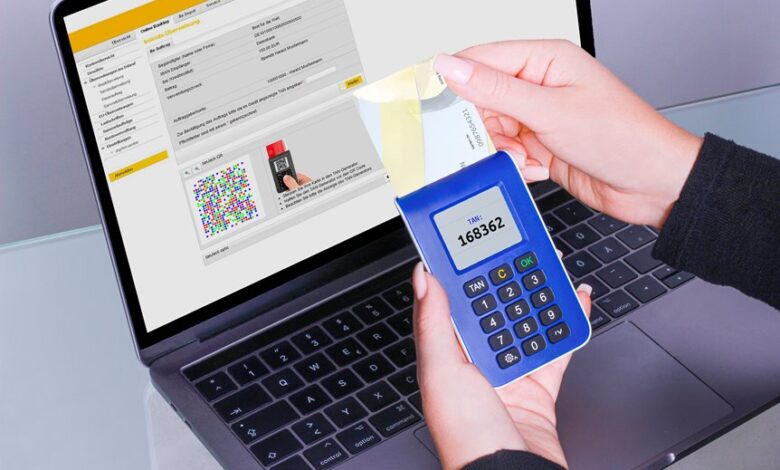
Inspect Number Verification Details for these sequences involves a careful, methodical assessment of digit roles, weight schemes, and cross-checks. Each number is examined for parity consistency, positional weighting, and checksum alignment, with findings documented in a transparent, reproducible manner. Red flags are noted if masking or structural issues appear. The process emphasizes independent triangulation, timestamped audit trails, and evidence-backed conclusions that stand up to scrutiny, inviting further scrutiny and corroboration as the next step.
What Is Inspect Number Verification for These Sequences?
Inspect Number Verification is a process used to assess whether a given sequence of digits satisfies predefined numerical criteria, often rooted in checksums, pattern rules, or domain-specific validation schemes. The approach documents methods to Verify numbers, outlines Validation steps, and clarifies Verify digits. A formal Documentation process supports reproducibility, transparency, and freedom to assess sequences without ambiguity or unnecessary conjecture.
How to Locate and Validate Each Digit’s Role
To deconstruct a number for verification, each digit is mapped to its positional weight and potential roles within the overall validation framework. The approach emphasizes verification methods that reveal digit roles, examining parity, weighting, and cross-checks. Systematic assessment proceeds with reproducible steps, documenting evidence, and aligning findings to numeric integrity criteria while maintaining a concise, accessible, objective, and freedom-supporting tone.
Common Red Flags and Verification Pitfalls to Watch For
Common red flags and verification pitfalls arise from overreliance on a single validation cue, which can mask underlying inconsistencies in the number’s structure.
An insightful overview highlights misplaced confidence in format alone. The verification workflow should triangulate digits, cross-check statistical patterns, and document anomalies, ensuring methodical scrutiny rather than superficial agreement.
Precision-oriented evaluation fosters transparent, freedom-respecting assessment of verification outcomes.
Practical Steps to Reconcile and Document Verified Results
Given prior discussion of red flags and verification pitfalls, practical steps are needed to reconcile results and document findings in a transparent, reproducible manner. The procedure emphasizes Verifyable forms and standardized Verification processes, including cross-checking with independent data sources, timestamped records, and version-controlled notes. Clear audit trails enable reproducibility, while concise summaries and traceable decisions support objective interpretation and freedom through accountable, verifiable conclusions.
Conclusion
In a quiet harbor of numbers, a meticulous clock-maker tests each digit’s duty, weight, and waypoint. The sequence sails through parity checks and cross-checks, flags raised only when masks, gaps, or shifts appear. With independent lighthouses (data sources) and timestamped logs, the craft chronicles every stroke, every adjustment. When the hull is sound and the compass true, the verifier signs off, an auditable beacon of integrity guiding future voyages through numeric seas.